




Free Education
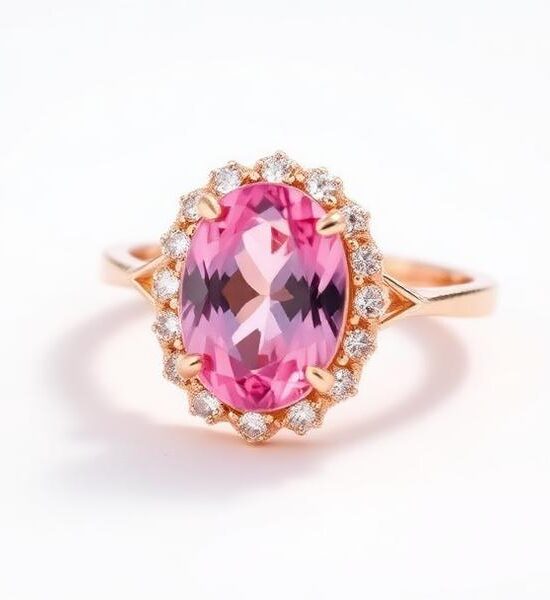
What is Padparadscha Sapphire?
These extraordinary gems display a delicate blend of pink and orange, reminiscent of a tropical sunset or the soft petals of a lotus flower. Unlike other colored sapphires, Padparadschas cannot be defined by a single dominant color—instead, they must exhibit a harmonious balance of both pink and orange.
The most prized specimens come from Sri Lanka (formerly Ceylon), where they have been treasured for centuries. While deposits have been found in Madagascar and Tanzania, Sri Lankan Padparadschas remain the benchmark for quality and color saturation.

How to Identify Quality
When evaluating a Padparadscha sapphire, several factors determine its value:
**Color Balance**: The most important factor. A true Padparadscha must display both pink and orange in relatively equal proportions. Stones that lean too heavily toward pink are classified as pink sapphires, while those too orange are considered orange sapphires.
**Saturation**: Medium saturation is ideal. Colors that are too light appear washed out, while overly saturated stones may lose the delicate pastel quality that makes Padparadschas special.
**Clarity**: While inclusions are common in sapphires, eye-clean specimens command premium prices. Look for stones where inclusions don't interfere with brilliance.
**Cut**: A well-executed cut maximizes the stone's color and light return. Oval and cushion cuts are most common, as they best display the gem's unique color.
**Carat Weight**: Padparadschas over 2 carats with excellent color are exceptionally rare and valuable.

Natural vs. Treated Stones
Understanding treatments is crucial when purchasing a Padparadscha sapphire:
**Natural Unheated**: The most valuable category. These stones display their color exactly as they were formed in nature. Natural unheated Padparadschas are extremely rare and command the highest prices.
**Heat-Treated**: Heat treatment is common and accepted in the gem trade. It can improve color and clarity. While less valuable than unheated stones, heat-treated Padparadschas are more affordable and still beautiful.
**Beryllium-Treated**: This controversial treatment can turn pale sapphires into Padparadscha colors. Stones with beryllium diffusion are significantly less valuable and must be disclosed.
**Lab-Created**: Synthetic Padparadschas are chemically identical to natural stones but are grown in laboratories. They're affordable but lack the rarity and investment potential of natural gems.
Always request certification from recognized laboratories like GIA or GRS, which will disclose any treatments.

Buying Tips
**Always Get Certification**: A GIA or GRS certificate is essential. It confirms the stone's identity, origin, treatments, and key characteristics.
**View in Multiple Lighting**: Padparadschas can appear differently under various light sources. Examine the stone in natural daylight, incandescent light, and fluorescent lighting.
**Compare Multiple Stones**: Even within the Padparadscha category, color variations exist. Compare several options to understand your preferences and the market.
**Consider Origin**: Sri Lankan Padparadschas are the most prestigious. Origin can significantly affect value, even for stones of similar appearance.
**Work with Specialists**: Purchase from dealers who specialize in colored gemstones and have expertise in Padparadschas specifically.
**Trust Your Eye**: While technical factors matter, choose a stone that speaks to you. You'll be wearing and enjoying this gem for years to come.